
Why Diabetes Increases Your Risk of Eye Disease
Living with diabetes means paying close attention to your overall health - but many people don’t realize just how closely diabetes and eye health are connected. Over time, high blood sugar can quietly damage the delicate structures inside your eyes, increasing your risk of serious vision problems and even permanent vision loss.
How Diabetes Affects the Eyes
Diabetes impacts the body’s blood vessels, including the tiny, fragile vessels in the retina - the light-sensitive tissue at the back of the eye. When blood sugar levels remain elevated, these vessels can swell, leak, or become blocked. In some cases, abnormal new blood vessels may grow, leading to further complications. This damage often develops gradually and may not cause noticeable symptoms in the early stages. That’s why regular diabetic eye exams are so important.
Common Eye Diseases Linked to Diabetes
Several serious eye conditions are directly associated with diabetes:
- Diabetic Retinopathy: Diabetic retinopathy is one of the most common and serious complications of diabetes. It occurs when high blood sugar damages the retinal blood vessels. In early stages, you may not notice any vision changes. As the condition progresses, symptoms may include blurred vision, dark spots, or difficulty seeing at night.
- Glaucoma: People with diabetes are nearly twice as likely to develop glaucoma. This condition damages the optic nerve, often due to increased pressure inside the eye, and can lead to gradual peripheral vision loss.
- Cataracts: While cataracts are common with aging, individuals with diabetes tend to develop them earlier and more frequently. Cataracts cause clouding of the eye’s natural lens, resulting in blurry or dim vision.
Why Early Detection Matters
One of the most concerning aspects of diabetic eye disease is that it can progress without pain or obvious warning signs. Vision may seem perfectly normal until significant damage has already occurred.
Regular comprehensive diabetic eye exams allow your eye doctor to:
- Detect early signs of retinal damage
- Monitor changes over time
- Recommend timely treatment if needed
- Help prevent or slow vision loss
Early detection and treatment can dramatically reduce the risk of severe vision impairment.
What Happens During a Diabetic Eye Exam?
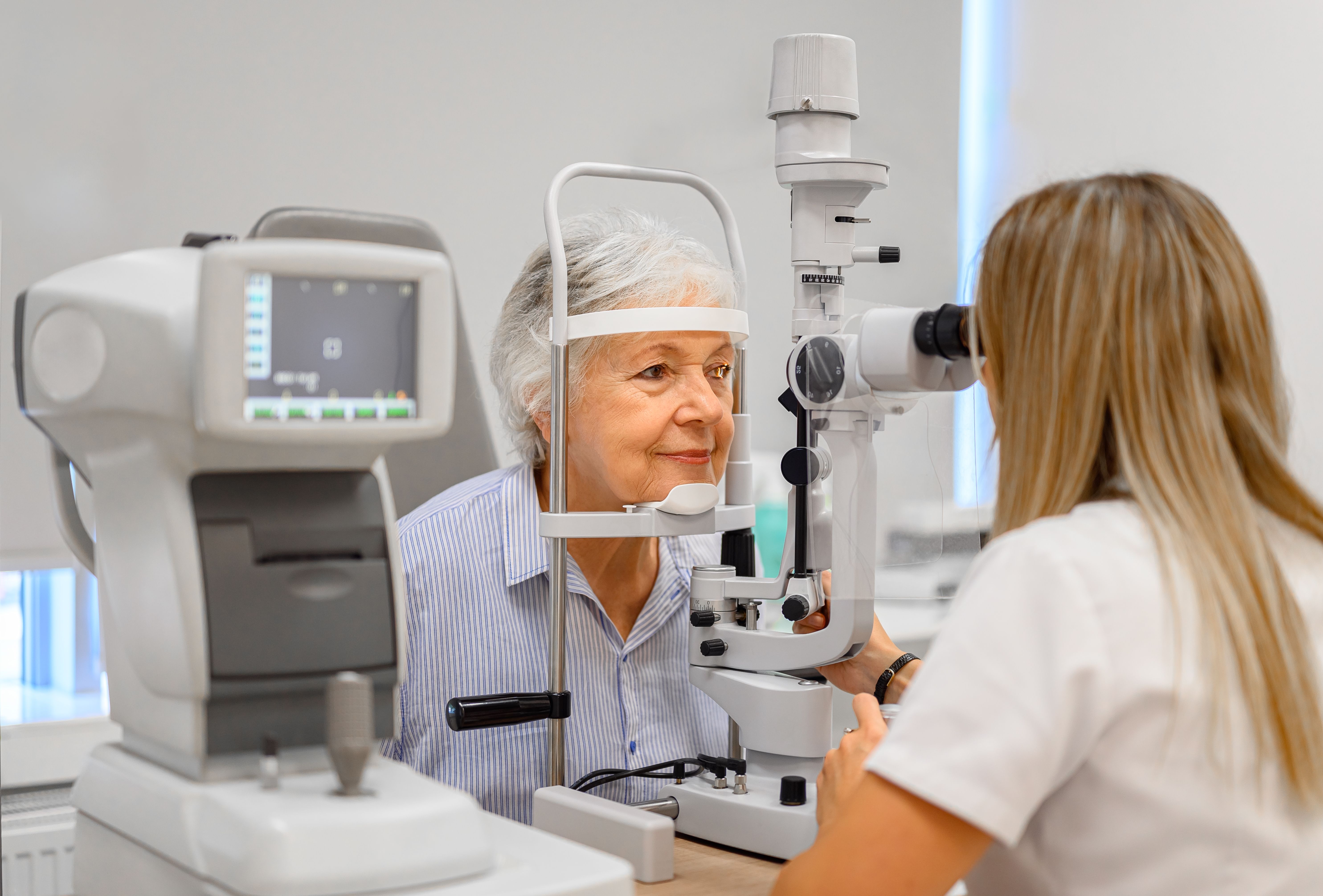
A diabetic eye exam goes beyond a basic vision screening. At Eagleville Eye Clinic, your exam may include:
- A thorough review of your medical history and blood sugar control
- Visual acuity testing
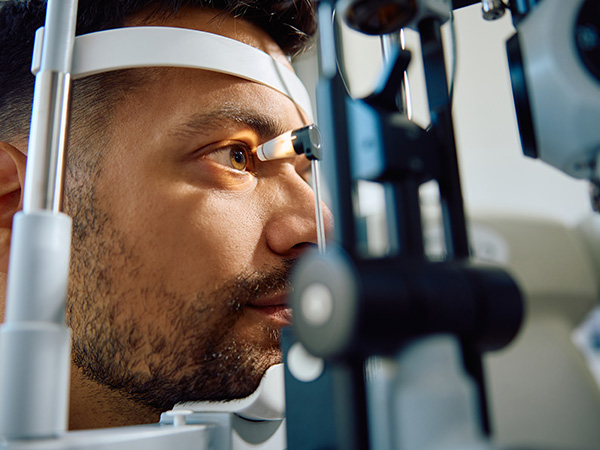
- Pupil dilation to closely examine the retina and optic nerve
- Imaging or retinal photography, if needed, to track subtle changes
These detailed evaluations allow us to identify even the earliest signs of diabetic eye disease.
Schedule Your Diabetic Eye Exam at Eagleville Eye Clinic
Diabetes doesn’t just affect your blood sugar; it can have a lasting impact on your vision. Because many diabetic eye diseases develop silently, routine diabetic eye exams are essential for early detection and prevention. The good news is that with consistent monitoring and proper management, most diabetes-related vision loss can be prevented or minimized.
Contact Eagleville Eye Clinic to schedule your diabetic eye exam and take an important step toward preserving your vision for years to come. Visit our office in Eagleville, Tennessee, or call (615) 274-2102 to book your appointment today.

MAP
© 2026 Eagleville Eye Clinic. All Rights Reserved. Accessibility Statement - Privacy Policy - Sitemap
Powered by: